
The story behind Lune Synth
I’m Griffin Rutherford, CTO of Coherascent Labs and creator of Lune Synth. This started with something I was struggling with myself: being present for the things I actually wanted to do.
I kept coming back to the feeling of working through a difficult idea until it finally made sense. I wanted more of that.
Why I built it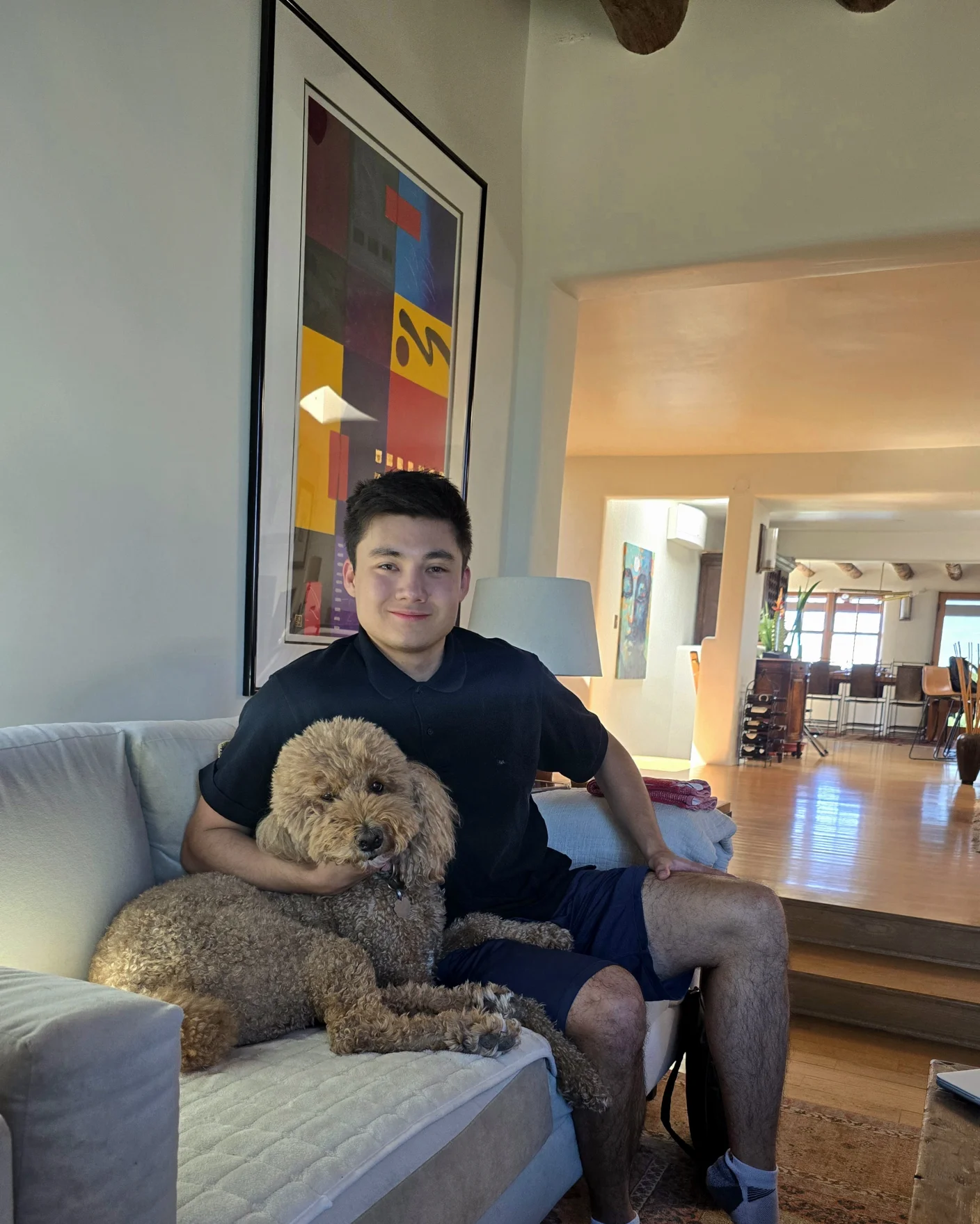
TL;DR
I built Lune Synth because I wanted my attention back and a better way to learn. It uses AI to help you work through problems, get feedback, and try again, with the strongest incentives for handwritten attempts. The goal is understanding earned through practice, with game elements that make returning worthwhile. Lune comes from my poodle, Luna; Synth means synthesis. I’m still working on being present myself. This app is my attempt to make that easier, one useful session at a time.
A note from Griffin
I wanted my attention back.
I started noticing how often the attention economy pulled me away from things I wanted to spend time on. Between endless feeds, AI slop, and what historian David Courtwright calls limbic capitalism (businesses that cultivate and profit from our appetites and habits), there was always something easier to click, consume, or hand off. Being present and doing deep work took a more deliberate effort.
I also became wary of the gap between what people promise with AI and what they actually deliver. Misleading claims, omitted limitations, performed expertise, and disinformation make it harder to know what to trust. There is a little spite in my motivation to build Lune Synth, too. I’d rather put that energy into making something useful and being clear about what it can and cannot do.
Instagram Reels is where I notice the pull most. It seems to know exactly what will push my emotional buttons and keep me scrolling. I can be absorbed in the feed while feeling absent from my own life. This is something I struggle with myself.
Oxford University Press naming “rage bait” its Word of the Year for 2025 felt like a fitting description of that environment: provoking an emotional reaction has become a familiar way to hold our attention.
I call that state “anti-presence”: being occupied without feeling fully engaged, letting the next distraction or effortless output take the place of deliberate attention. It is the antithesis of Lune Synth’s vision.
The times I feel most fulfilled and proud of myself are when I am fully present facing one task, somewhere in the balance between ease and friction. There is enough challenge to demand my attention, and enough traction to keep going. That is the flow state I want more of in my life.
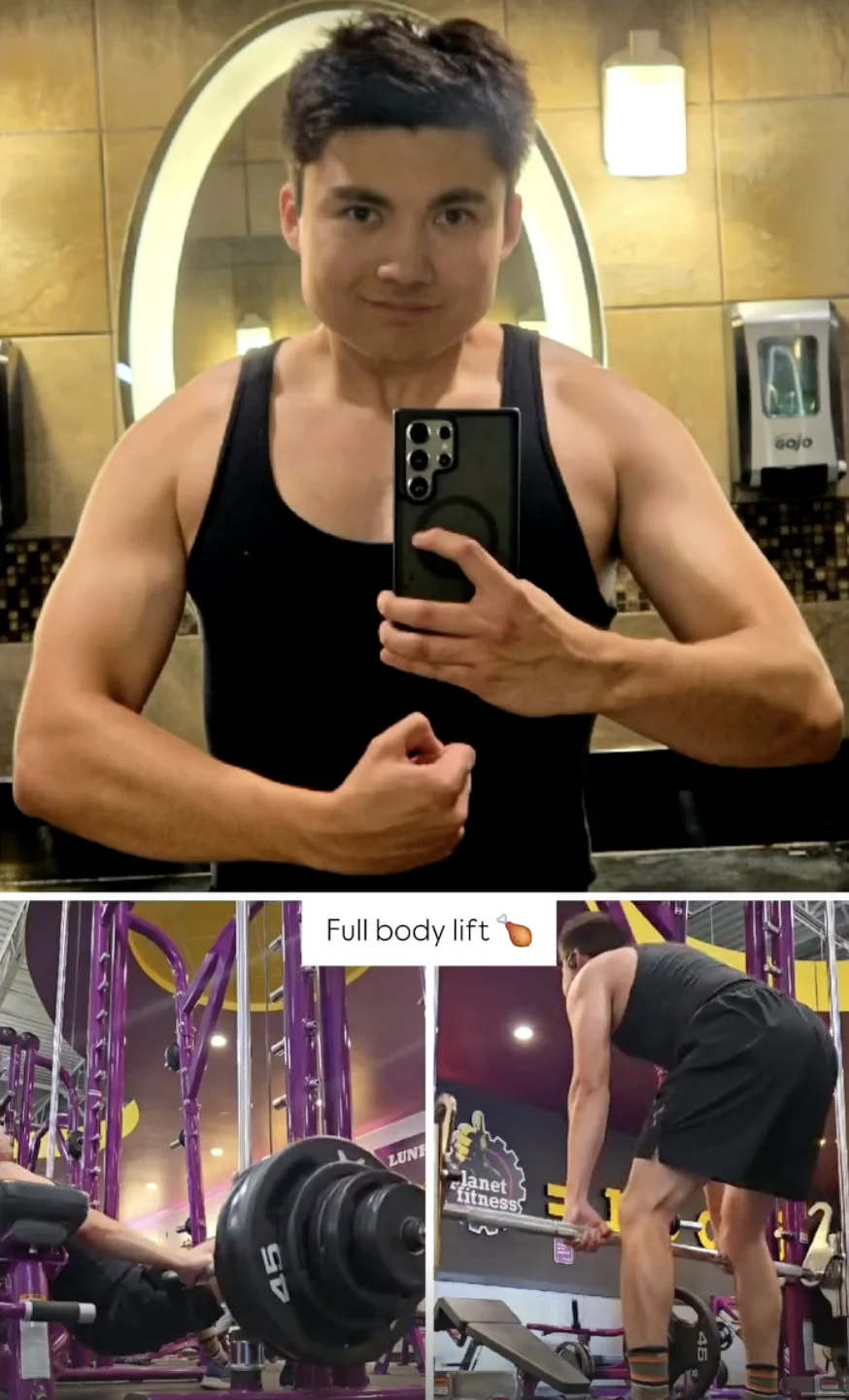
I love being outdoors, strength training, and endurance sports. Those are parts of my life where effort makes sense to me. I started thinking about why working through something difficult could leave me feeling so much better than taking the easiest available distraction.


From gibberish to understanding.
I spent a huge part of my life as a student, and I remember that feeling from studying computer science at Colorado School of Mines.
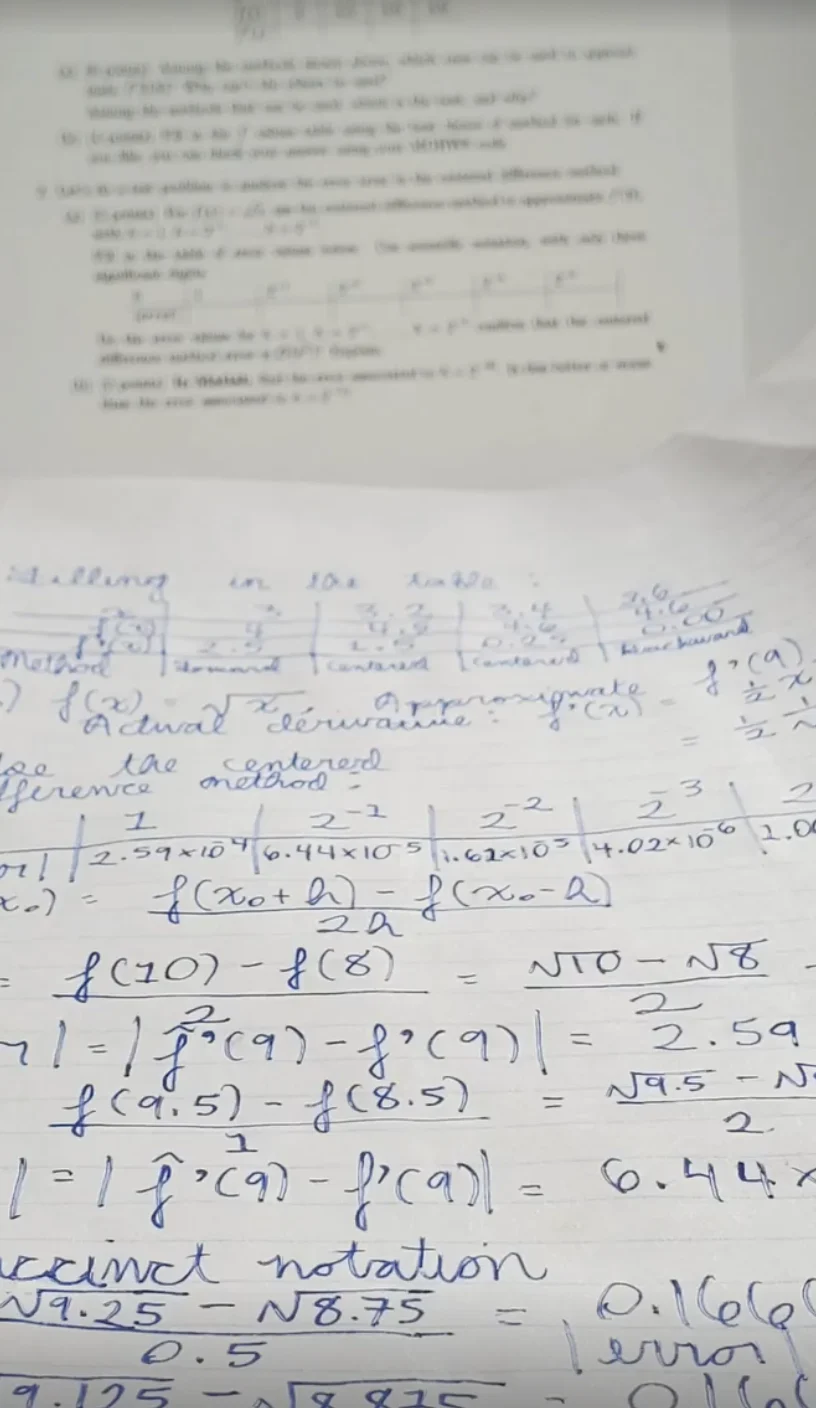
Engineering school gave me plenty of encounters with ideas that sounded like complete gibberish at first. What changed that was working through the discomfort one component at a time, especially by hand. A definition started to make sense. A step became justified. Eventually, something that had seemed inaccessible became an idea I could actually use.
That feeling of grasping a difficult concept is incredibly rewarding. I wanted to build a tool that makes room for it.
AI should help us stay with the work.
The easiest way to use AI on an assignment is often to copy the prompt into ChatGPT or Claude, take the answer, and submit it without evaluating the steps in between. The assignment gets finished. The opportunity to understand it can disappear.
Then I imagine an AI grader assessing that AI-generated submission. There is something funny about the possibility, and something that fills me with existential dread. What is the education system accomplishing if the learner barely needs to participate?
That question became part of why I started Lune Synth. I wanted to see whether AI could help me stay with a problem: make an attempt, find out where I went wrong, understand the correction, and try again.
That is also why Lune Synth gives handwritten work the strongest incentives of any input method. I want to reward the attempt: writing out a step, sketching an idea, and showing how you reached an answer. An EEG study found more widespread brain connectivity during handwriting than typing. That does not establish lasting changes to neural connections, but it is part of why I’m interested in handwriting as a way to stay actively involved in learning.
The friction has a purpose. It gives you decisions to make and reasoning to produce. The interface should help you find the next useful step, while the sense of accomplishment comes from slowly becoming capable of something you could not do before.
Luna + synthesis
Why is it called Lune Synth?
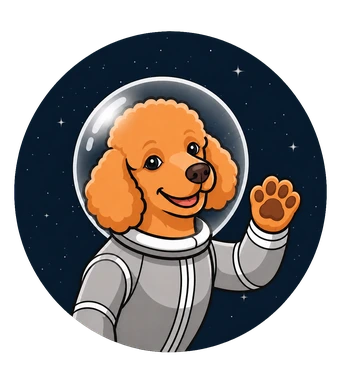
Lune comes from Luna, my real poodle and amazing companion. That is her in the photo below. The name keeps something personal at the heart of the software.
Also, “Luna Synth” was already taken by NASA JPL’s LuNaSynth, “Synthetic Generation of Lunar Terrain.” Apparently naming an app after my poodle put me in competition with the Moon.
Synth is short for synthesis: developing a deep understanding of a subject and bringing information together coherently. Knowing isolated facts is a beginning. Being able to connect them, explain them, and use them is what I want the learning process to build toward.

The vision
The idea I keep coming back to is something like Duolingo, but for whatever you are trying to learn. That might be a school test, a language, Python, the MCAT, or grammar. The subject can change; the feeling of gradually getting a handle on it is familiar.
There is a tension here that matters to me. I’m building something with game elements to encourage people to come back, while describing how much I dislike being kept scrolling. I want coming back to mean another chance to practice and understand something. Time spent in the app, by itself, is not the accomplishment.
I’m still someone who gets pulled into Reels and has to find my way back to what I meant to be doing. Lune Synth comes from wanting that return to be easier, and wanting the work waiting on the other side to feel worth doing.
Griffin RutherfordCTO of Coherascent Labs · Creator of Lune Synth